How long is this state of twilight, this in-between time when day begins to be covered over, when light remains, and is finally lost? Sometimes it is hard to say. It slips past as I am trying to catch the moment. I have walked across the river in the dwindling shadows of afternoon, slipping by unnoticed like the fading light, until suddenly I look around and it is darker still, changing the look of the streets like a spell cast, concealing the way I have come.
Paris
Featured
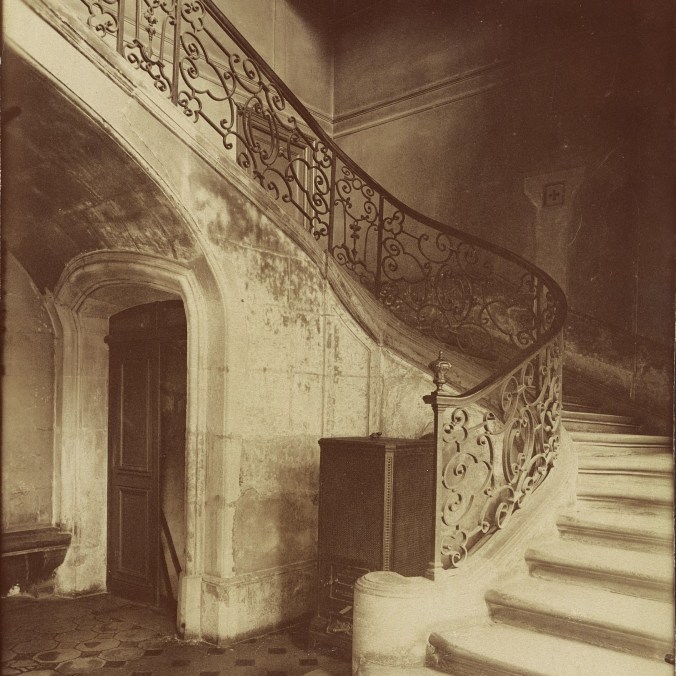
Apparition
I was looking for a hotel that was no longer there or that never existed. I found myself lost in dreams of the hotel room that still waited, at the top of the stairway, at the end of the passage. Imagining its interior, the window overlooking a courtyard. And shadows fell as I was looking.
Featured
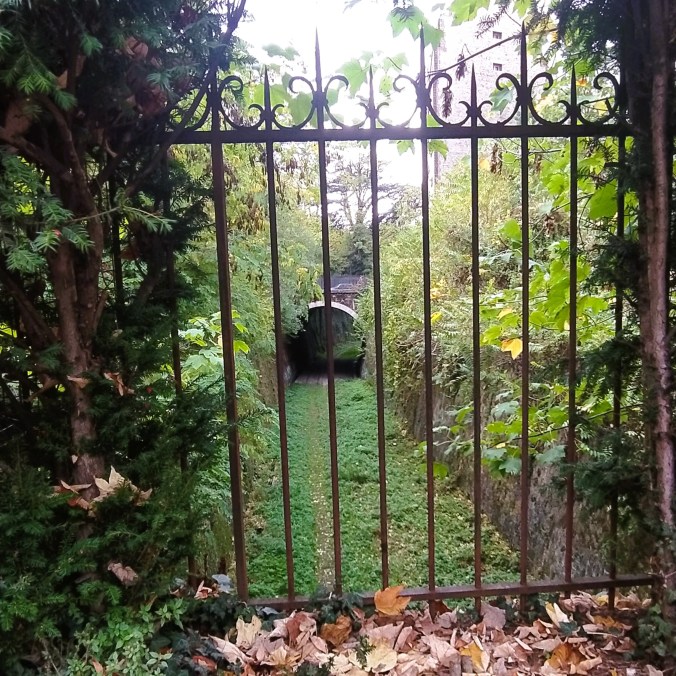
Perimeter Lines
The loss of light seems to speed up at this time, or to happen imperceptibly, so that suddenly the evening feels shrouded in it: the mystery at the heart of every cycle of time. The folding of darkness, covering and concealing, like the tracks I follow, onwards into lost time, caught in their own circle ... And now I sense how the city crosses into the tracks, and the tracks blend into the city.
Featured
Nina’s Waltz
It is many years later that she writes it down. The simplicity of the notes, tapped out on the piano, bring back the music of Nina’s waltz until she is standing there, fragile yet strong and graceful. Lit up against the dark exterior of the tent, with the mechanism of the trapeze behind.
New writing published by Echtrai Journal
I begin following railway lines because I have been thinking about the disused railway track that ran through the deepest edges of the park in the town where I grew up. Steep banks obscured by trees. The entrance to the park, and the dark green railings running alongside the road, that create a feeling of motion, of dreaming.
Featured

Passages: on the Rue des Thermopyles
Looking back along the cobbled lane there is a sense of green everywhere, hushed voices from the shared garden. The shade of trees and dappled sunlight, rooftops, and blue sky. Each glimpse is like framing a different fall of shadow and sunlight and sometimes the street seems to lengthen depending on the angle I look, as figures emerge and fade into the space of the passage and around corners. I want to notice every detail, to know the story behind every door.
Featured

Out of Place No.03: ‘Missing Person’ by Patrick Modiano
What is striking on reading Missing Person is the detailed geography of the city, and the number of references to street names and specific places. The city becomes a site of clues or signs to be followed like a trail. They provide something tangible. Signs that might point the way through the darkness of memory. ‘I use them to try to obtain reference points. Buildings bring back memories and the more precise the setting the better it suits my imagination.’ I couldn’t resist the urge to map this book, the specific locations contrast with the uncertainty and lack of solidity which are the overall effect of the book.
Out of Place No.02: ‘The Vagabond’ by Colette
Colette writes beautifully about the passing landscape, the feel of travel, and of letting go, of seeing the changing scenery unfold. There is real life and feeling to this writing: ‘Half asleep, like the sea, and yielding to the swaying of the train, I thought I was skimming the waves, so close at hand, with a swallow’s cutting flight.’
The Mirror Image
When I read Rhys, I find the ring of truth and something I recognise - about what real experience feels like and the difficulties of communicating, that not everyone has the capacity to change things or to shape the world around them; that not everyone has the voice or the words.
Featured

Exemplary hotel woman
After Leaving Mr Mackenzie is such a great title for a book and I am a great admirer of its first line and the exactitude in which it is framed. The first location of this book is the Quai des Grands Augustine, and the hotel in which Julia goes to stay at the end of her relationship with Mr Mackenzie. There are no hotels existing now on this part of the quay, but in her biography of Jean Rhys, Carole Angier places her in the Hotel Henri IV during 1928 when she was writing Mackenzie, located on the Rue Saint Jacques in the streets behind the left bank of the Seine.
 The Street Walks In